Powered by Industry Leaders








From smart NPCs to AI companions, bring intelligent characters to life in gaming, VR, education, and beyond.
Power your game worlds with sophisticated AI capabilities designed specifically for modern game development.

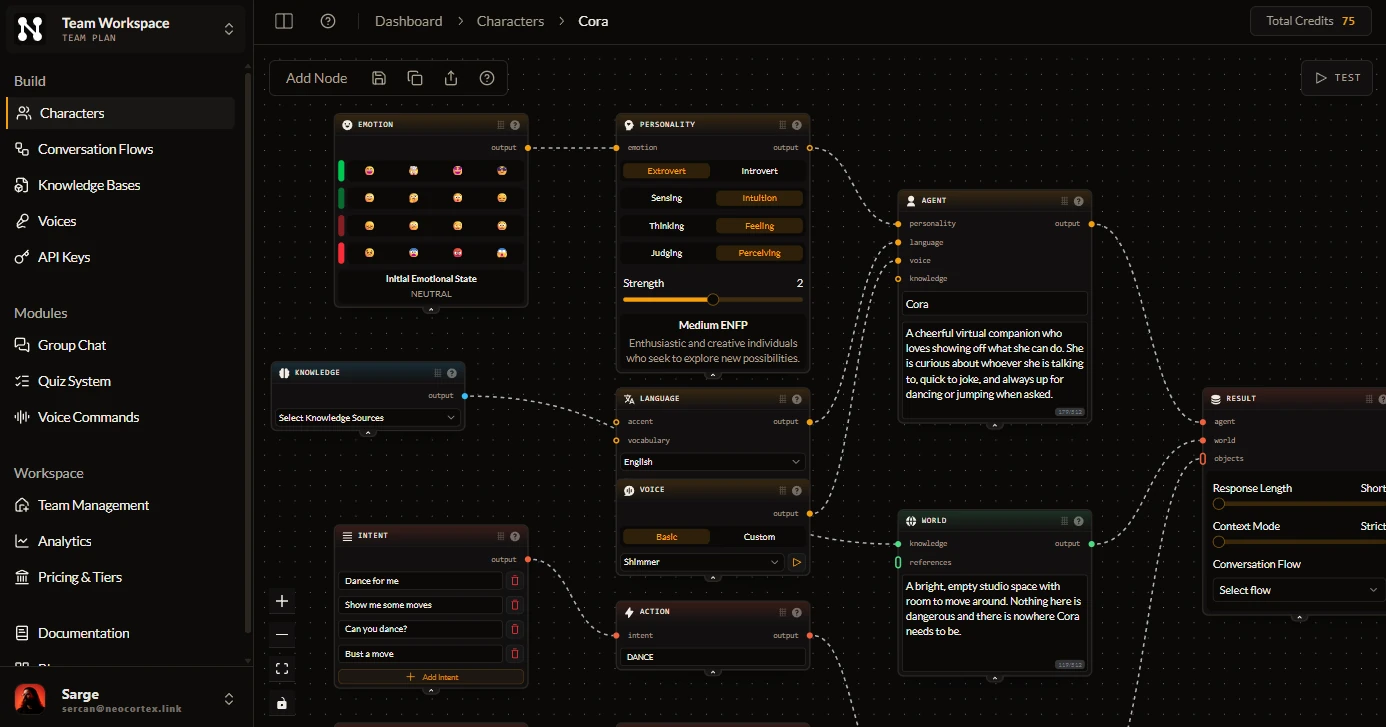
The node-based editor is a central design interface where all character features can be viewed from a bird's-eye perspective, as well as character and environment interactions are defined within a set of rules.

Action systems allow you to create characters that truly interact with and live in your world, moving beyond passive dialogue systems.
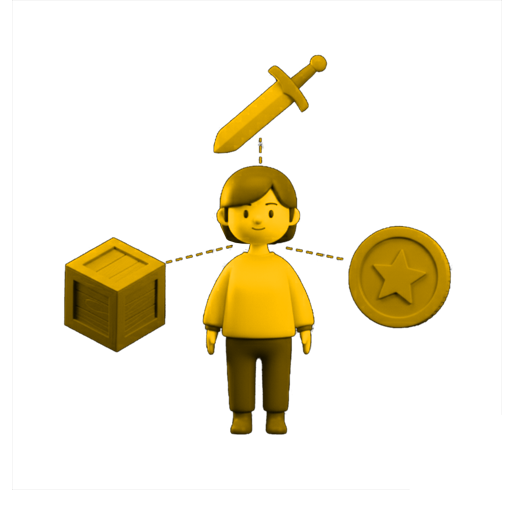
Spatial Awareness gives your characters advanced situational intelligence that goes beyond static information defined in the editor, encompassing instantaneous changes and objects in the game scene.

Knowledge Bases add depth to your characters, making them not just figures reciting lines, but beings who truly know and remember the world.

By combining emotional state data from character responses with AI avatar software that supports advanced facial expression controls, characters are able to not only speak naturally, but visually express emotions in a convincing and immersive way.

Language Support systems allow you to create globally accessible characters, eliminating boundaries in your world and providing a more enjoyable gaming experience.
Seamlessly incorporate Neocortex into any Game Engine with any 3D Avatar.





Discover what creators are saying about building with Neocortex.
Short answers for teams adding AI characters to a game.