








From an Agent's Brief to Its First Action
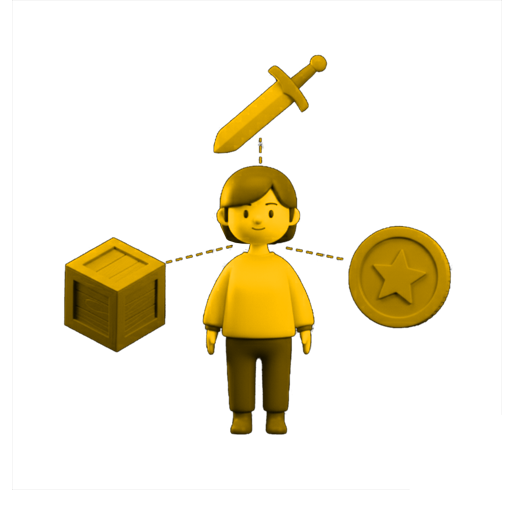
An Agent node holds the name and background, a Personality node sets one of 16 personality types, an Emotion node sets how it feels at the start, and a knowledge base holds the lore, rules or manuals it may draw on. Your game then tells the agent what it can do, what is around it and what has happened, which makes the following possible:
- •An Action node with a keyword such as OPEN_DOOR and an Intent node with sample sentences let the agent return a named action and a target that your game carries out or refuses.
- •With spatial awareness, your game sends up to 40 interactable objects with each request, each with an id, a name, a position and its properties, so the agent works from the scene as it is now.
- •Event logging sends up to 20 short events per request, each with a priority, so the agent can talk about the door the player broke or the quest they just finished.
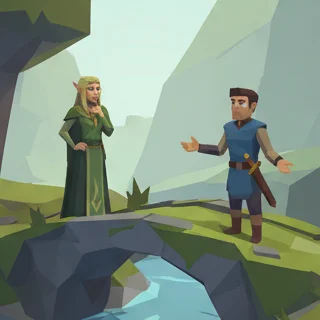
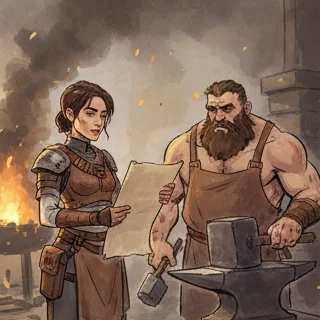
Conversation flows add checkpoints that return a keyword when reached, and group chat puts up to six characters in one conversation, with a director that decides who speaks next.
Your Code Keeps the Final Say
The agent never moves anything itself: it returns an action name and a target, and your game decides what happens. World data sent to the API is never treated as instructions. Neocortex stores no world state, so the agent always works from what your game sends now. The same agent runs from the Unity, Unreal Engine and Godot SDKs, the Web SDK and the Web API, with an emotion on every line for animation and voice in and out.