







From Character Design to a Shipped Conversation
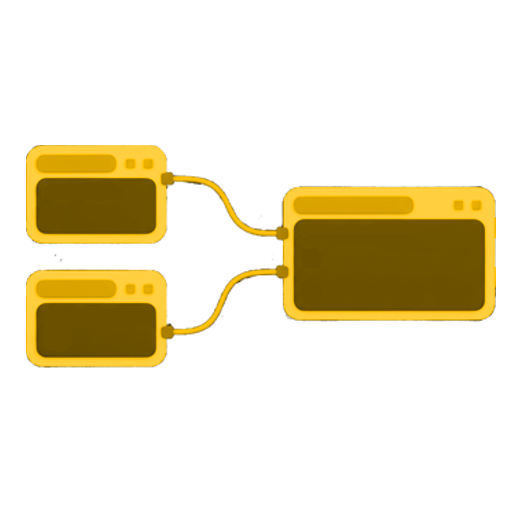
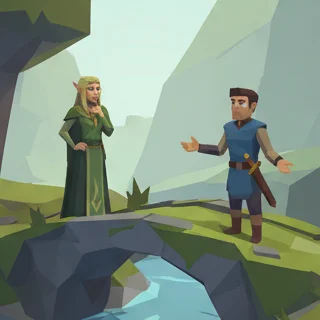
In the node-based editor, writers and designers set the character's name and background, one of 16 personality types and the world it lives in, without code. A knowledge base adds lore, product manuals or course notes, and you can press Play to talk to the character in the browser or send its Public Link to a producer or a client. Once it is connected to your build, the platform makes the following possible:
- •The same character works from the Unity, Unreal Engine, Godot and Web SDKs and from the Web API, and a conversation continues when you send back its session id.
- •Speech to text turns the player's microphone input into a message, and streamed text to speech starts playing while the audio is still being generated.
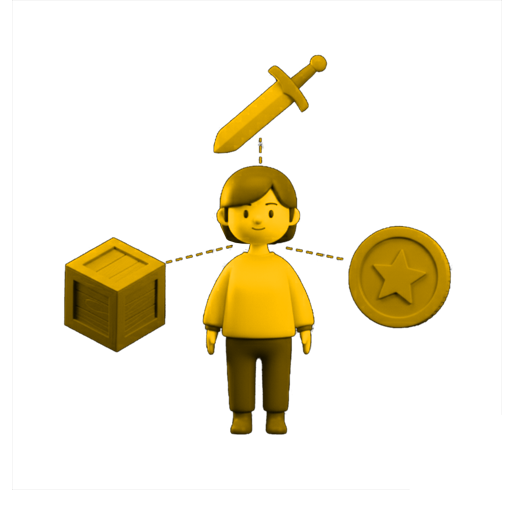
- •Each structured reply carries named actions for your code to carry out, checkpoint keywords from conversation flows and one of 16 emotions per line that you can map to animation.
Voice cloning from a 10-second sample, voice design from a description and lip sync on ARKit-style mouth shapes in Unreal Engine and Godot give the character a voice and a face.
One Character for Every Target
Instead of connecting a language model, speech to text, text to speech and a separate integration for each engine, you get one API for chat, speech in and speech out. The SDKs are open source, with sample scenes for text chat, voice chat, actions, interactables, group chat and usage gating. Limits per player and per character keep spending predictable, and the characters and files you build stay owned and controlled by you.