









From Case to Practice Session
The Agent node holds the patient's background: age, situation, worries and what they mention only when asked. A knowledge base holds the invented case your faculty writes, since our terms do not allow sensitive personal information such as real patient records in what you upload. After you check the patient's answers against the case yourself, this makes the following possible:
- •The patient can arrive Scared, Concerned or Confused, and the mood moves during the conversation, so a calm explanation can leave them Reassured and a rushed one can leave them Upset.
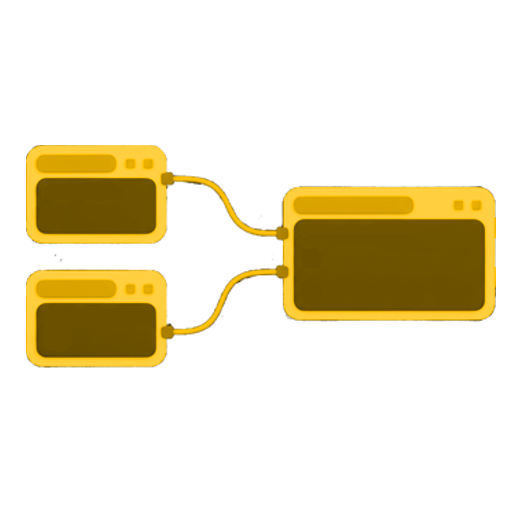
- •A conversation flow gives the consultation the stages your course teaches, with checkpoints such as "is this serious?" and outcomes such as "patient agrees to the plan".
- •Students speak instead of typing and the patient answers out loud, and group chat can add a worried relative who asks their own questions.
Each checkpoint the student reaches comes back as a keyword, and the Web API returns the conversation history, so a tutor can debrief from the transcript.
More Conversations Before Real Patients
Students can take the same history five times in an evening, in private, and a nervous student can get the words wrong without an audience. The patient runs on a course page through the Web SDK, in a desktop simulation through the Unity, Unreal Engine and Godot SDKs, or in a VR headset through the Unity SDK. It is a conversation by voice or text only, with no body language or examination, so it adds practice between sessions with people rather than replacing them. Neocortex does not grade the student.